You have to love the versatility of rice. It can be the base of a simple meal, the star of a classic Italian dish like risotto, or even used in desserts like rice pudding. In my book, rice is right up there with pasta. I can't get enough of either!
Understanding the basic differences between rice varieties makes it easy to pick the right one for whatever you’re cooking—and you might even find yourself trying a few new kinds along the way.
Rice Guide: History, Types, Grain Sizes, Processing, Storage, Popular Rice Dishes
Brief History of Rice
Rice cultivation is believed to have begun as early as 9000–8000 BC in China’s Yangtze River Valley and eventually spread to other parts of the world, including West Africa around 3,000 years ago. In the United States, rice became a major commercial crop by the late 1800s.
Arkansas—where I was born and raised—leads the nation in rice production and is home to Riceland Foods, the largest rice miller in the country. located in Stuttgart, Arkansas.
One of the key processes at the mill is parboiling, and every time I travel from Tennessee back to the family farm, I catch the comforting smell of cooked rice drifting through the air near Stuttgart. Fun fact: Stuttgart is known as the “Rice and Duck Capital of the World.”
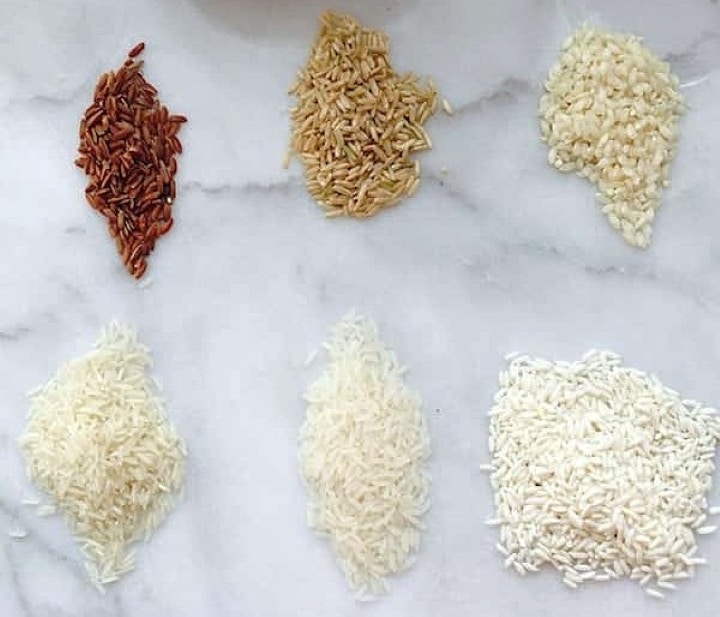
Types of Rice
- Sticky Rice (Glutinous Rice or Sweet Rice): Soft, chewy, and naturally sticky when cooked. Perfect for desserts and traditional Asian dishes like mango sticky rice. Despite the name, it’s gluten-free.
- Jasmine Rice: A fragrant long-grain rice with a light floral aroma and slightly soft texture. Great for stir-fries, grilled meats, everyday meals, and my favorite.....fried rice.
- Basmati Rice: Long, slender grains with a nutty flavor. Cooks up light and fluffy, making it ideal for pilaf, curry dishes, and biryani.
- Arborio Rice: Short-grain rice with a high starch content. Known for its creamy texture, it’s the go-to rice for risotto.
- Brown Rice: A whole grain with the bran layer intact. It has a chewy texture, a nutty flavor, and more fiber than white rice. Am I not a fan of brown rice? Are you?
- Red Rice: Nutty and slightly earthy with a firm texture. Full of nutrients and used in healthy or whole-grain recipes.
- Black Rice (Forbidden Rice): Dark purple when cooked, with a mild, slightly sweet flavor. Packed with antioxidantsand has the perfect texture in both savory and dessert dishes
- Sushi Rice: Short-grain rice that becomes sticky but still holds its shape. Essential for sushi and rice bowls. I like sushi, but it isn't something I crave.
- Wild Rice: Not technically rice, but a seed. Did you know that? I didn't until I was researching information for this guide. It has a chewy texture and earthy, nutty flavor—great in soups and side dishes, and is often mixed with true rice for texture and flavor.
- Parboiled Rice: Partially boiled before milling, which helps retain nutrients. It cooks firm and fluffy without sticking.
- Calrose Rice: Medium-grain rice that is slightly sticky and very versatile. Works well in everyday meals and Asian-inspired dishes.
- Wehani Rice: A reddish-brown rice with a subtle, sweet, popcorn-like aroma. Great for adding flavor to simple dishes.
The main difference between types of rice usually comes down to grain length (long, medium, or short) and how much of the outer layer is left on the grain. That’s what affects the texture, flavor, and even the cooking time.
Grain Length
Long-Grain: Slender and about 3–4 times longer than wide. These stay fluffy and separate when cooked. Examples include Basmati and Jasmine.
Medium-Grain: Shorter and wider than long-grain. These are moister and tender, often used for dishes like risotto or paella. Common types include Arborio and Carnaroli. I like to add rice to my soups; it's a great filler. Rice is one of the main ingredients in my Hoppin' John Soup.
Short-Grain: Almost round and very starchy, causing them to clump together. This makes them perfect for sushi or rice pudding. My sweet Dad loved rice pudding, and Mom made it quite often. Examples include Sushi rice and Bomba.
Choosing the right rice often depends on whether you want the grains to stay separate (fluffy) or stick together (creamy/sticky). Long-grain white rice is the most versatile "all-purpose" choice for traditional American comfort foods, while specialty grains like Arborio or Basmati are better for specific global-inspired dishes.
Rice Types By Processing (Milling)
Brown (Whole Grain): Only the outer husk is removed. It keeps its nutrient-rich bran and germ layers, giving it a chewy texture and nutty flavor.
White (Milled): The husk, bran, and germ are all removed. It is softer, cooks faster, and has a more neutral taste.
Parboiled (Converted): Partially boiled in the husk before milling. This pushes nutrients from the bran into the grain, making it more nutritious than regular white rice.
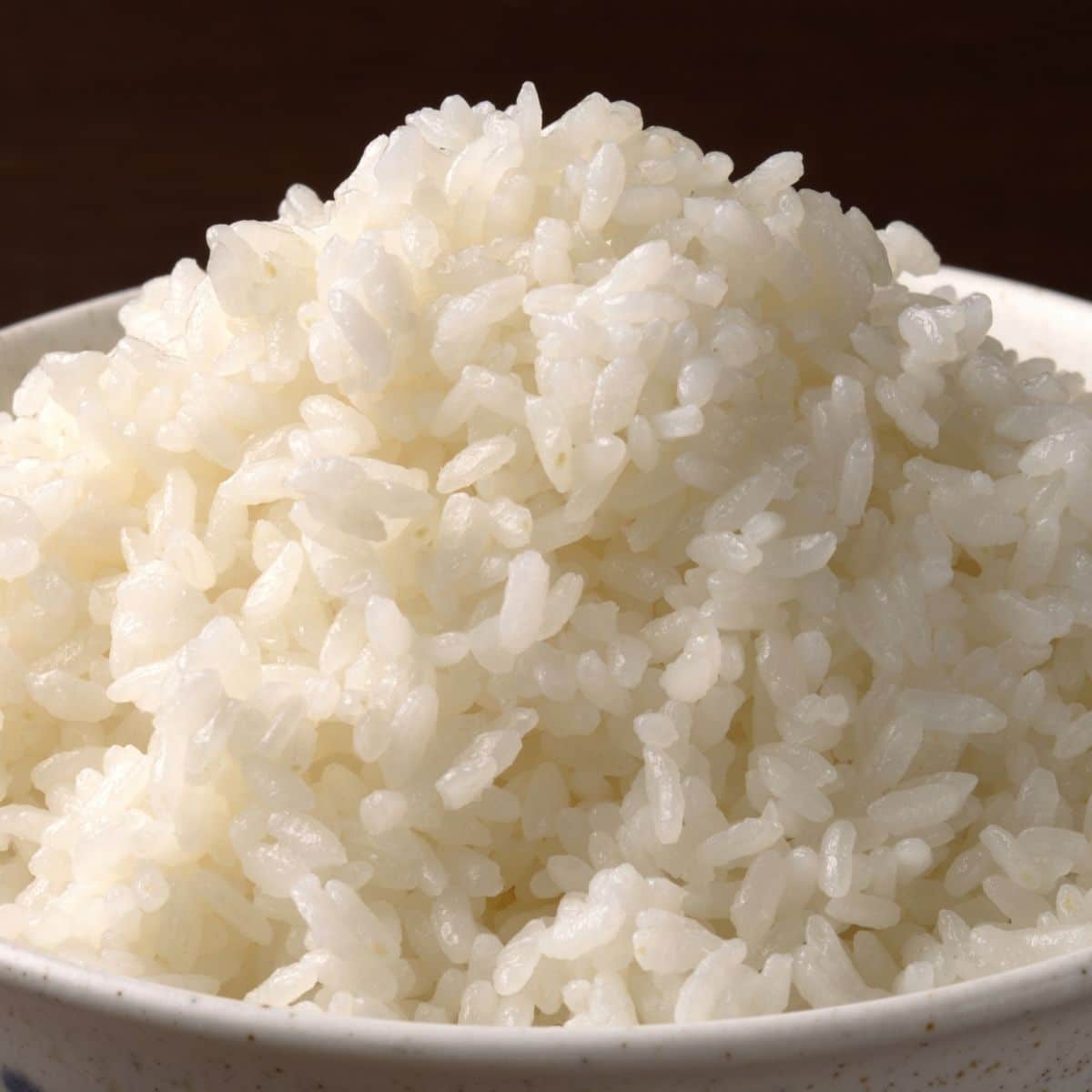
Rice Shelf Life - Dry and Cooked
To keep rice both safe and delicious, it’s important to handle dry and cooked rice differently. Rice can carry spores of Bacillus cereus—a type of bacteria that may survive the cooking process—so proper cooling and storage is important to prevent foodborne illness.
- Dry Rice (pantry)
Dry rice has a very long shelf life if kept cool and dry.
White, Wild, Basmati, & Jasmine: Can be kept indefinitely if stored in an airtight container to prevent moisture and pests.
Brown Rice: Only lasts 3 to 6 months in the pantry. Because it still has the bran layer, it contains natural oils that eventually go rancid.
Pro Tip: Store brown rice in the fridge (6–12 months) or freezer (up to 2 years) to extend its life.
- Cooked Rice (refrigerator and freezer)
Cooked rice can go bad quickly so it's important to cool it down fast - and please don't leave it sitting on the counter for more than an hour.
Fridge: Store in a shallow, airtight container for 3 to 4 days.
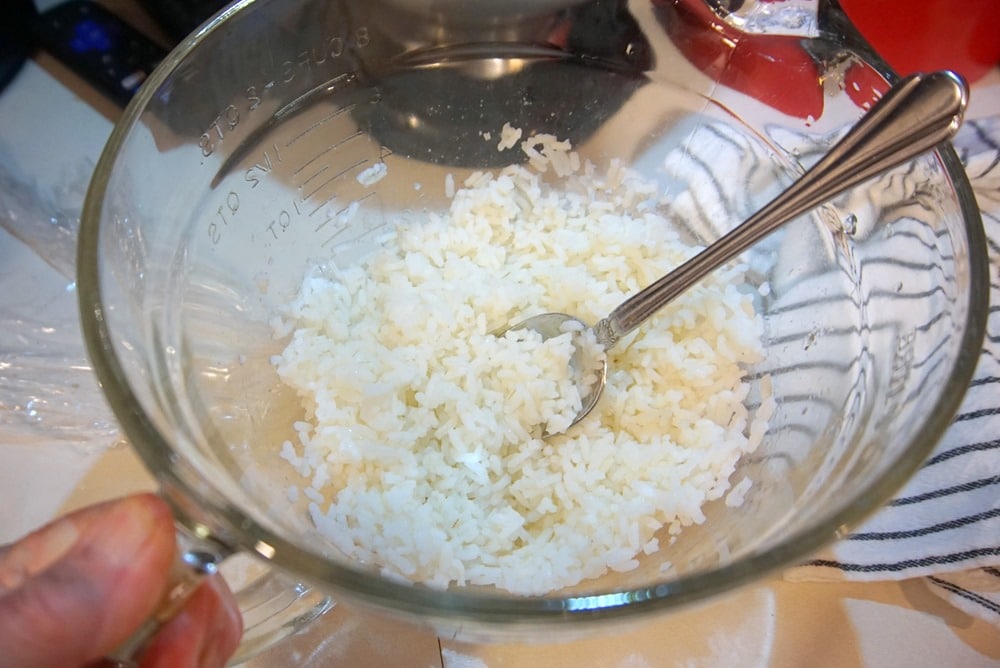
Freezer: Cooked rice freezes beautifully! Spread it on a baking sheet to cool, then bag it. It stays good for 1 to 2 months. I spread my cooked Jasmine rice on a cookie sheet and refrigerate it for a few hours before making fried rice.
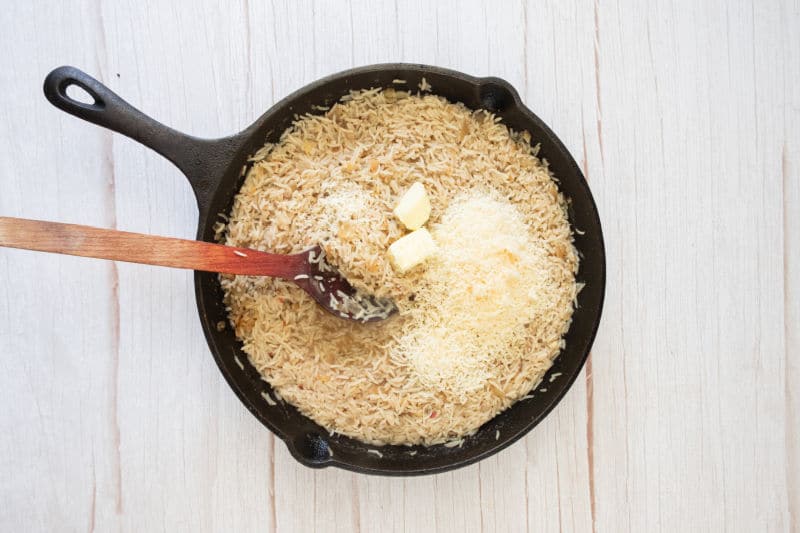
Reheating: Always reheat until the rice is steaming hot. Add a splash of water or an ice cube in the center before microwaving to "steam" it back to life. I wet a paper towel and lay it on top of the rice before microwaving.
- Dishes Made With Rice (Casseroles, Jambalaya, etc.)
Fridge: Most rice-based meals should be eaten within 3 days. I'm guilty of keeping mine longer. Sorry, I'm a rule breaker, but my family hasn't gotten sick yet.
Freezer: Mixed dishes like casseroles or fried rice last 1 to 2 months. But, vegetables may get softer upon thawing.
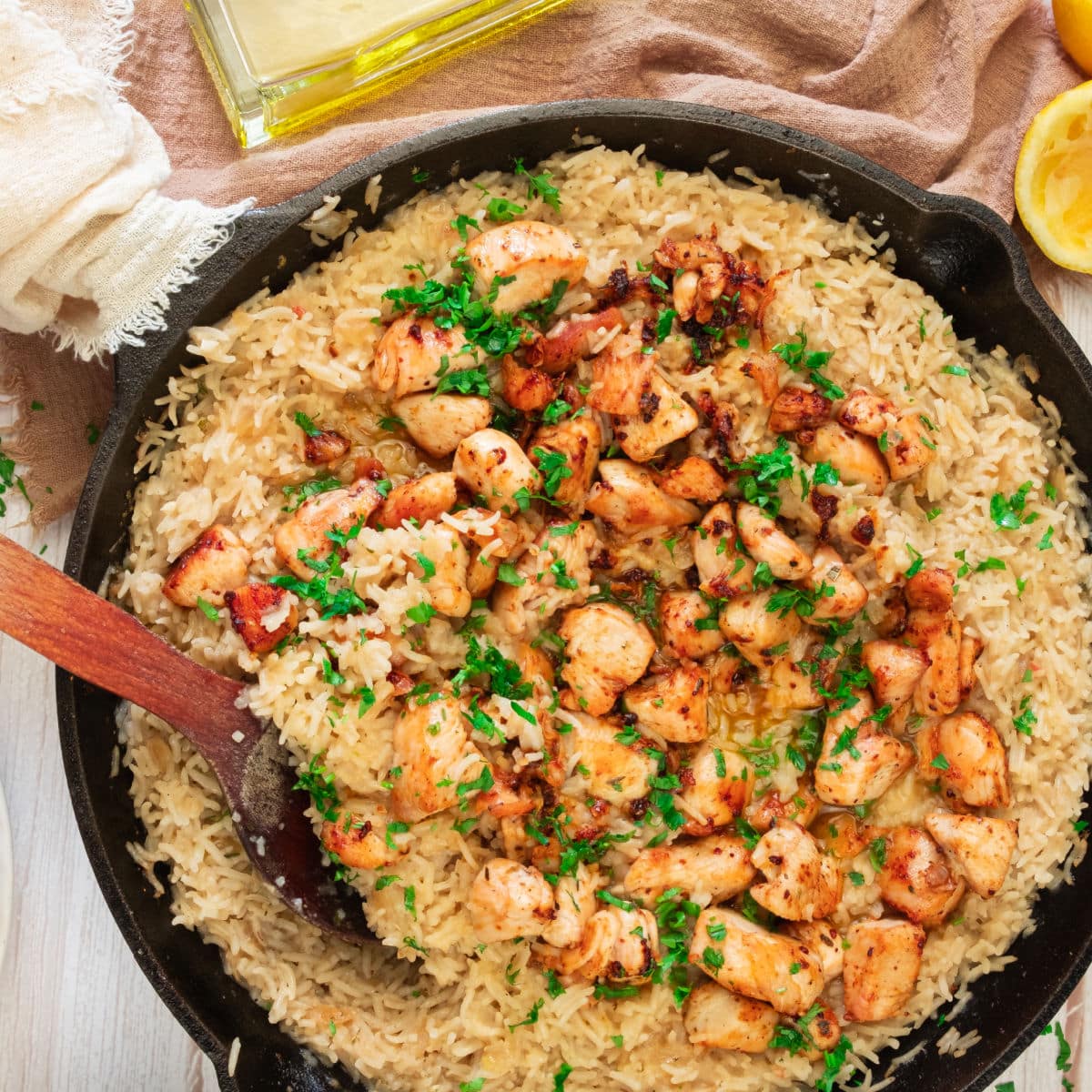
Popular Dishes & Recommended Rice For The Best Results
Whether you're cooking a hearty dinner or a sweet dessert, choosing the right type of rice makes all the difference.
Jambalaya & Gumbo: Long-grain white rice is the classic choice because it stays firm and fluffy even when cooked with lots of broth. I like parboiled rice (such as Success Boil-in-Bag) because it's quick and easy.
Mexican Rice & Burritos: Long-grain varieties are best for achieving a "dry," separate texture. For a zesty twist, Vigo Cilantro Lime Rice is a popular pre-seasoned option. I need to try the lime rice.
Fried Rice: Jasmine rice is the gold standard for fried rice because it is slightly sticky but becomes perfectly firm once chilled overnight.
Casseroles & Stuffing: Brown rice is a favorite here. It has a chewy texture and holds up well during long baking times.
Risotto & Rice Pudding: Medium-grain Arborio rice is the only choice for risotto because its high starch content creates a natural creaminess. For rice pudding, both Arborio and short-grain sticky rice work well to create a thick, custardy texture.
Curries & Pilafs: Basmati rice, like Royal Authentic Basmati, is best for its long, slender grains and popcorn-like aroma.
Rice is neither good nor bad, and it is a staple in my pantry. It provides energy (carbohydrates), B vitamins, and minerals. Brown rice may have more fiber and nutrients, while white rice is often enriched and useful for quick energy.